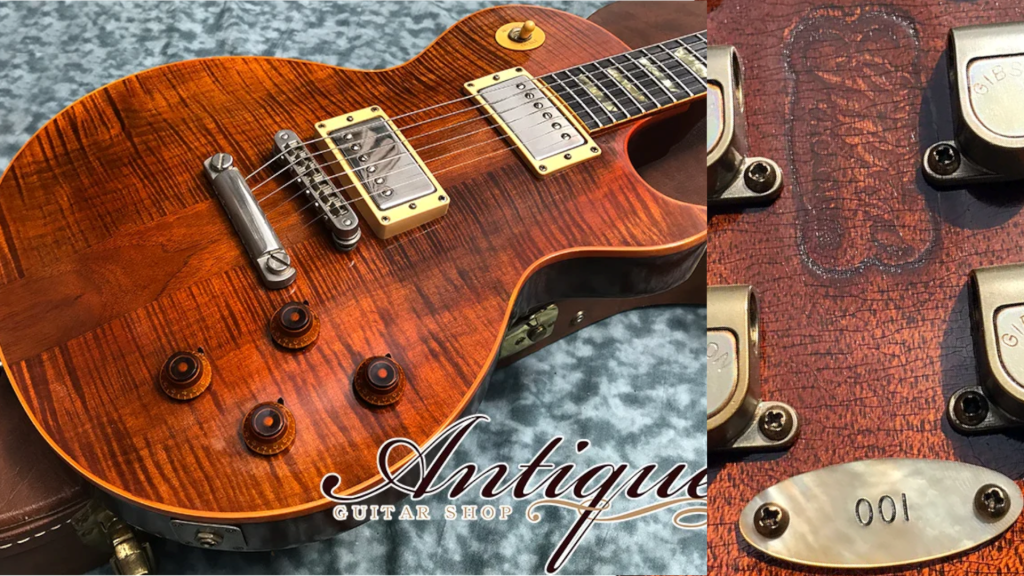
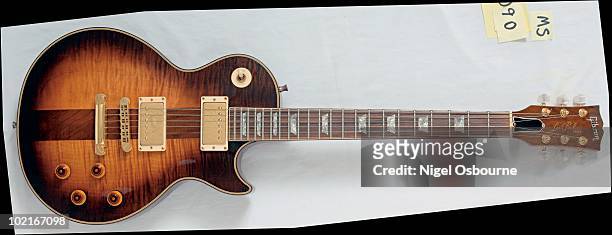
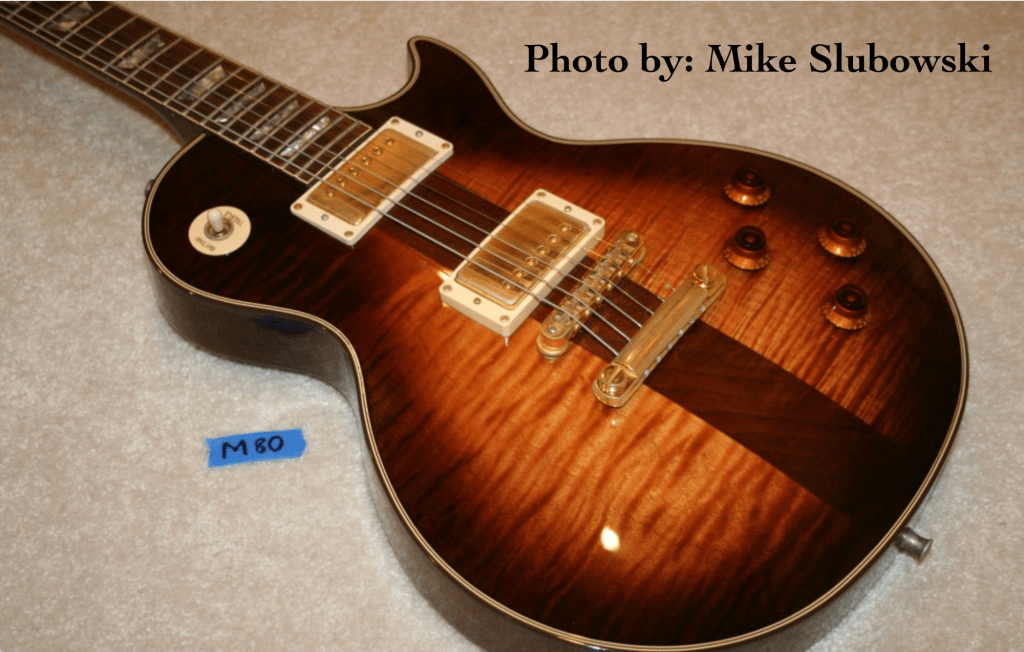
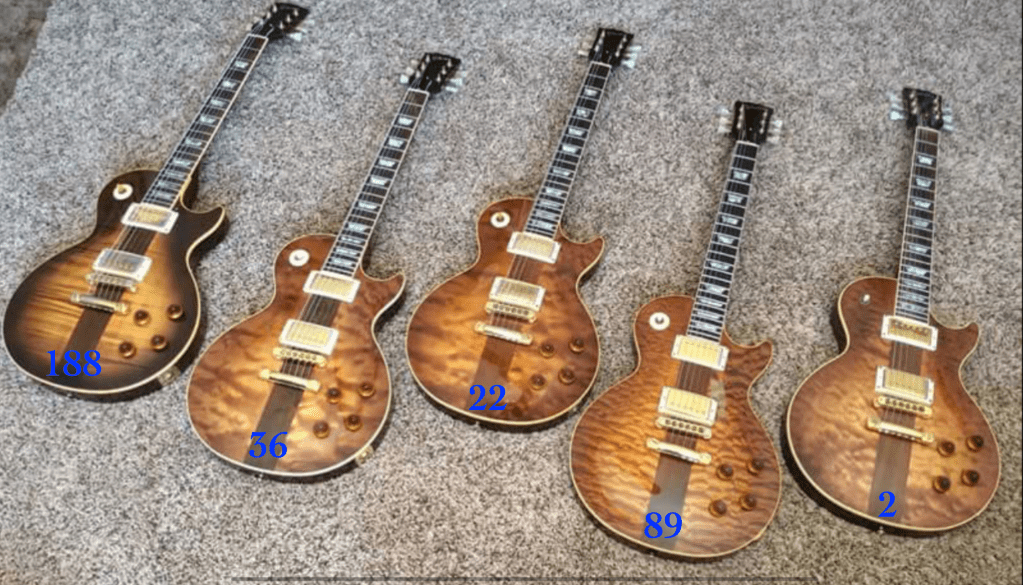
The Gibson Spotlight Special is a unique model that was first prototyped in the year 1982. While the bulk majority of these beauties were crafted in 1983, you can also find serial numbers dating to 1984 and even 1985! They all feature a 2 piece Quilted or Flamed Maple Top with a center stripe of Walnut which gives these their distinctive look! A few of them in the run have been found with Mahogany stripes.

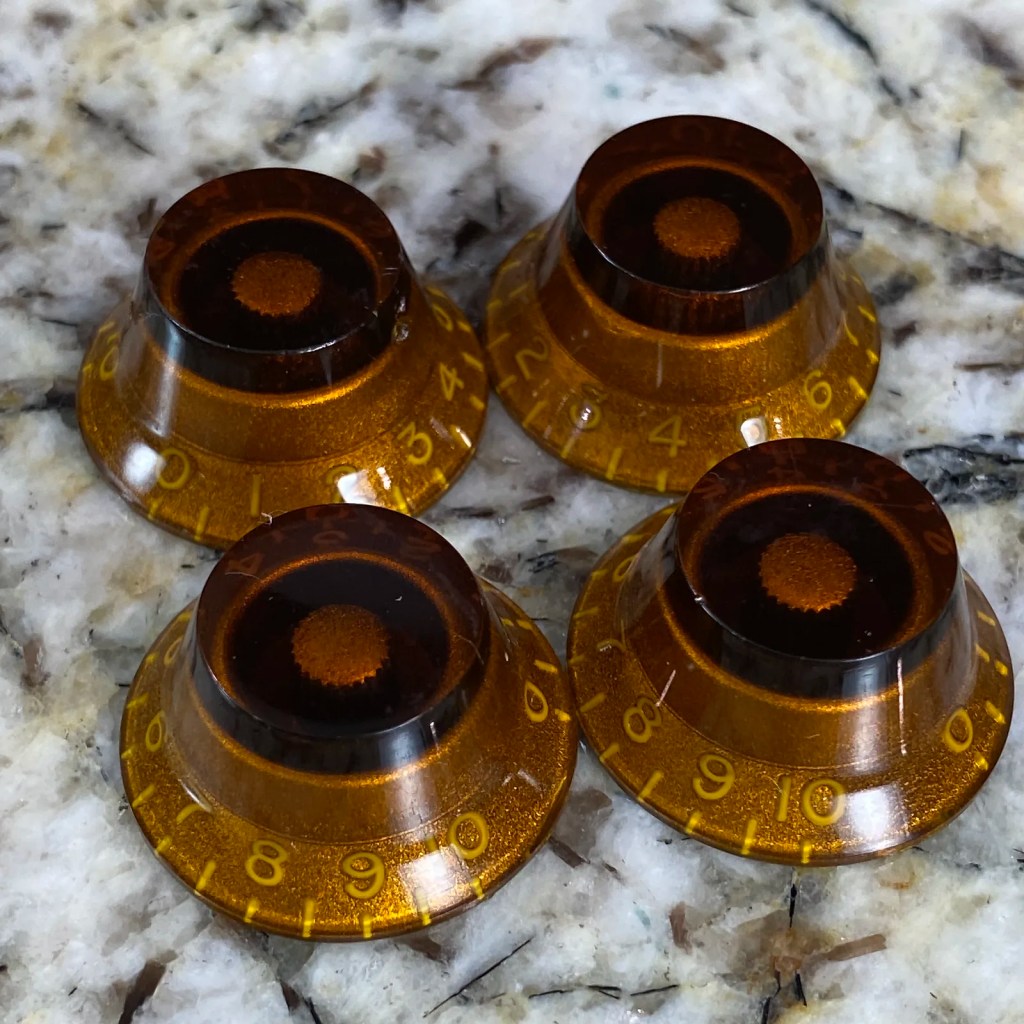
They were all adorned with Gibson’s “UFO” amber reissue style knobs with gold hardware and cream plastics on the front with brown backplates.
The bodies are one-piece mahogany and they can feature 1-piece or 3-piece Mahogany Necks. The 3 piecers tend to have the larger neck profile of the two. As far as the electronics, many tend to have ’80 + ’83 Dated Pot Codes or ’83 / ’83 with all of them having Tim Shaw PAFs stock.

How Many Were Made?
The common rumor surrounding this model is 211 were made. This number likely came from a shipping ledger and we all know how accurate those are… (not very.) With the new-found ’84 and ’85 serials and even some duplicate serial number discoveries – it is safe to say the truth might fall closer to ~300. This website is dedicated to answering this question in a more formal manner and to teach owners about their guitar. Let’s document all of the spotlights together!

The Colors – ASB* + ANT
The Gibson Spotlight Special was offered in TWO COLORS
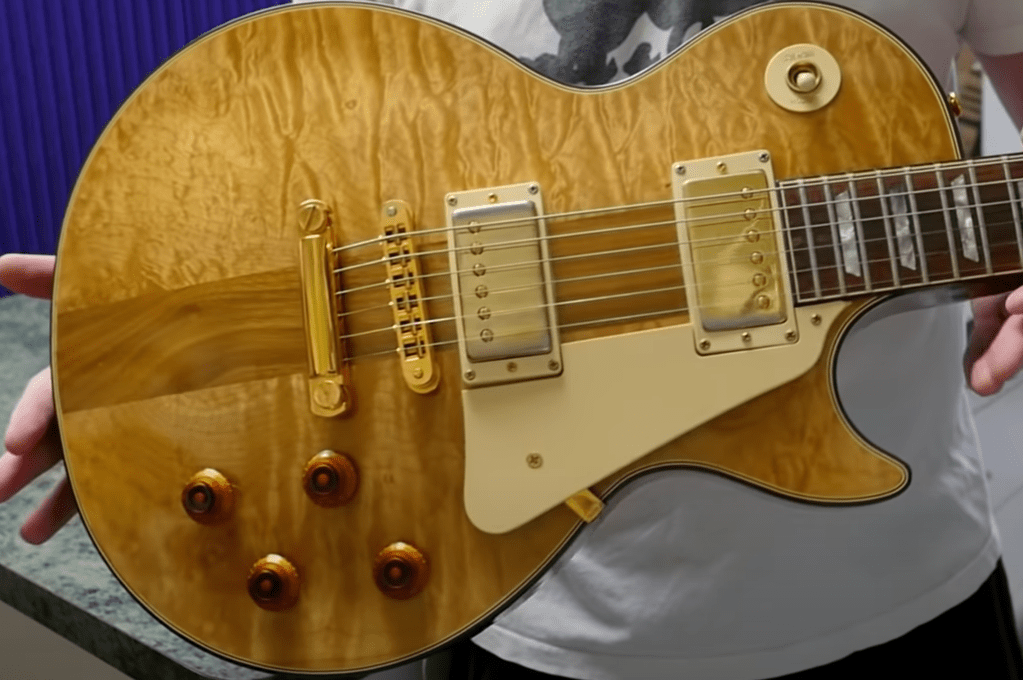
Antique Natural – (Abbreviated ANT)
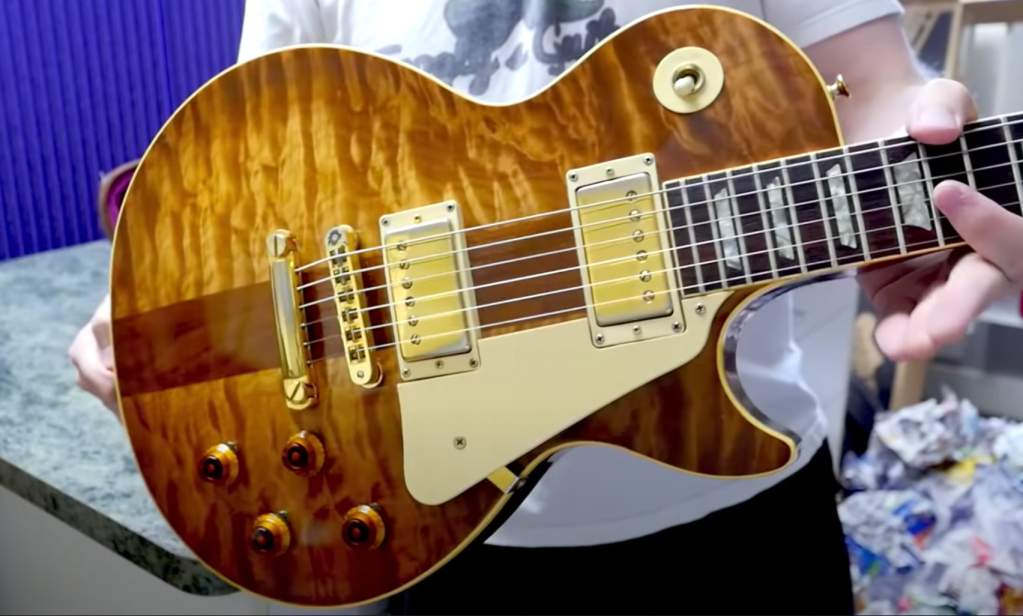
Antique Sunburst – (Abbreviated ASB)
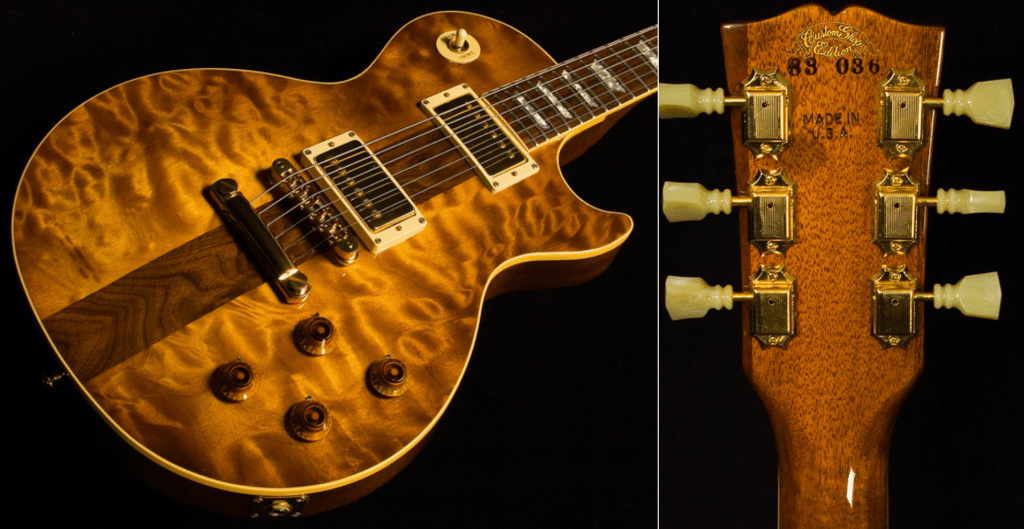
The ANT Spotlights feature a natural finish that shows off the maple, walnut and mahogany. These all started the same pure natural color, but over the years, the clear coat will age ranging from clear, a light yellow, to a dark amber hue.
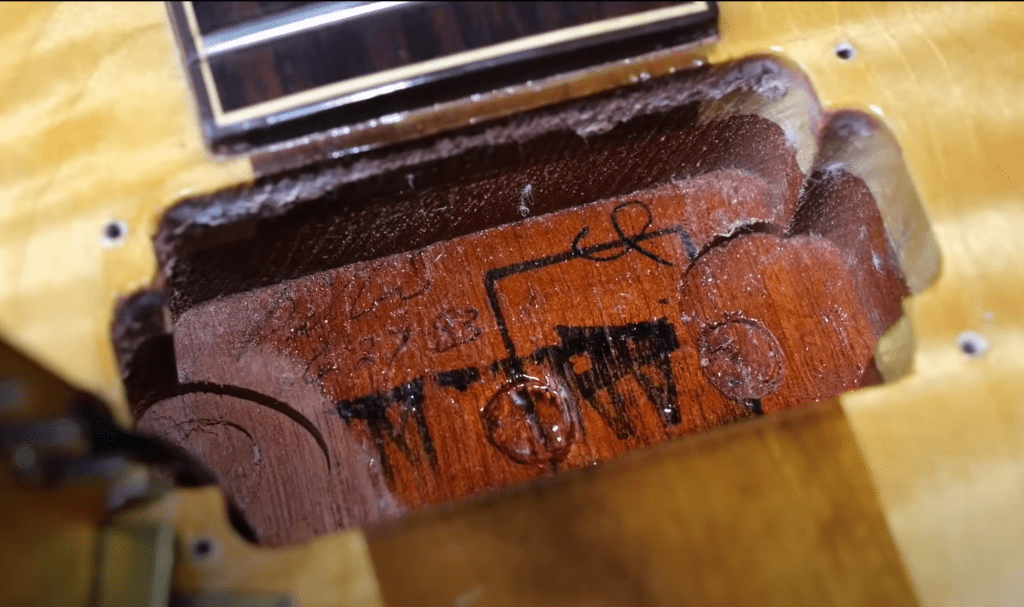
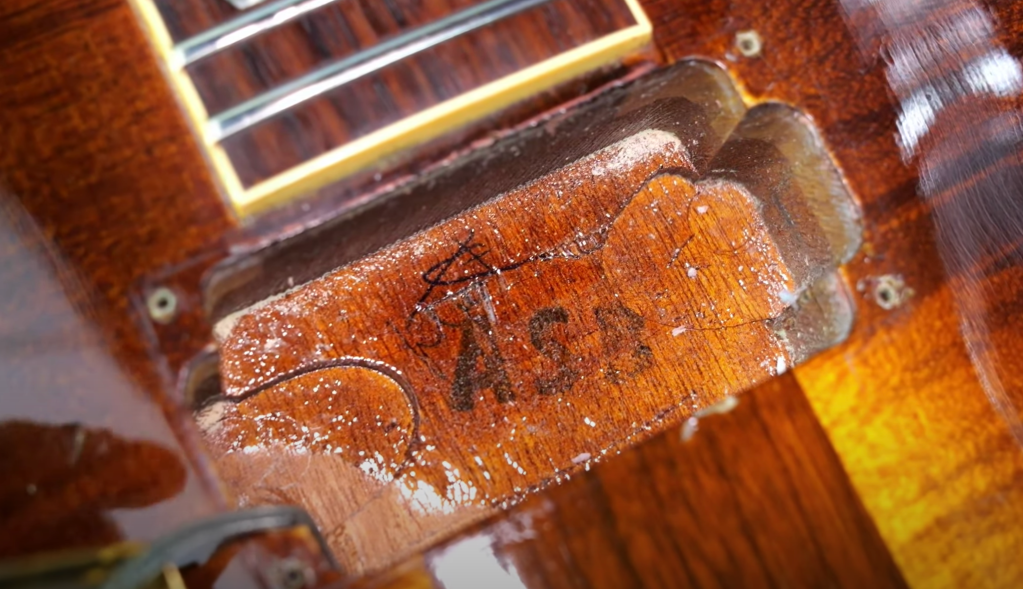
The Antique Sunburst Spotlight Specials might only have the official name of ASB stamped in their pickup cavity… but they came in 2 different hues. There are some with incredibly DARK borders and others with a very light colored border. Some are so light, they don’t even appear to have one. At the time of writing, no one ever made further classifications to these so let’s call them ASB-D and ASB-L (Antique Sunburst Dark, Antique Sunburst Light)
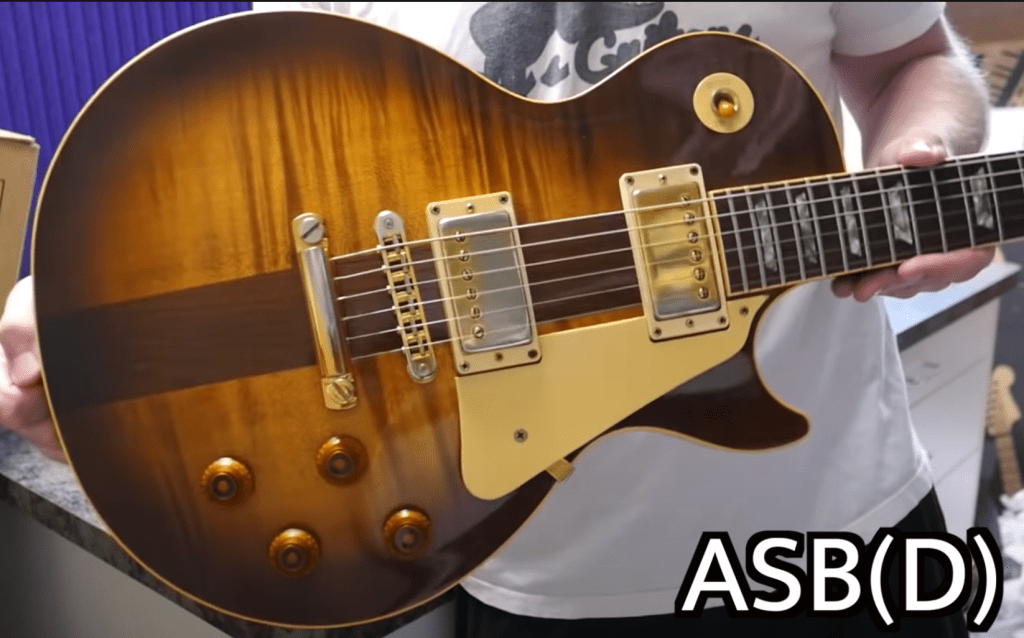
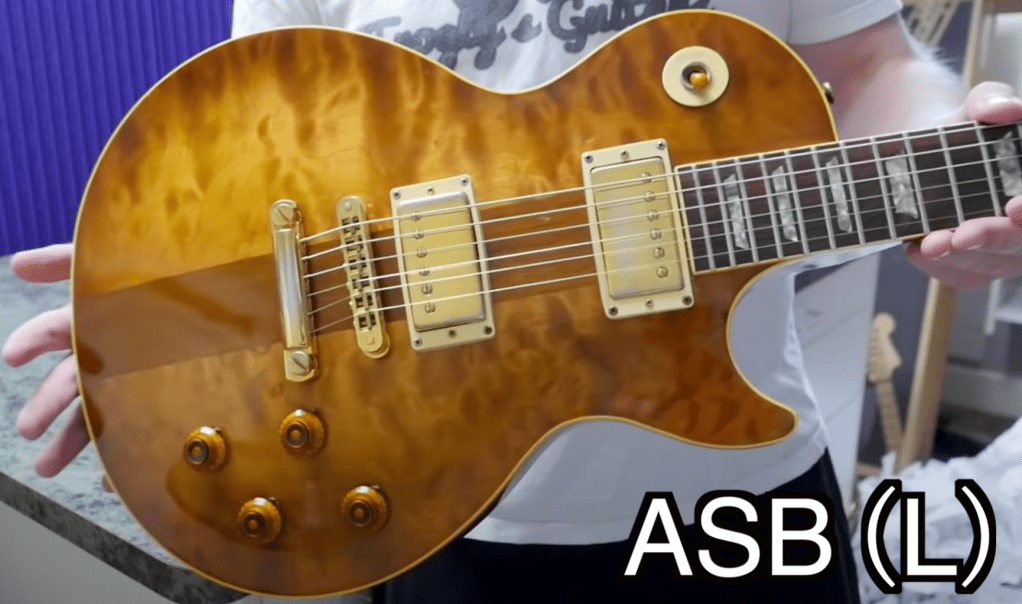
Is Color the Only Difference?
Unlike most guitar models… color is NOT the only difference. Antique Natural Spotlights exempled much different features
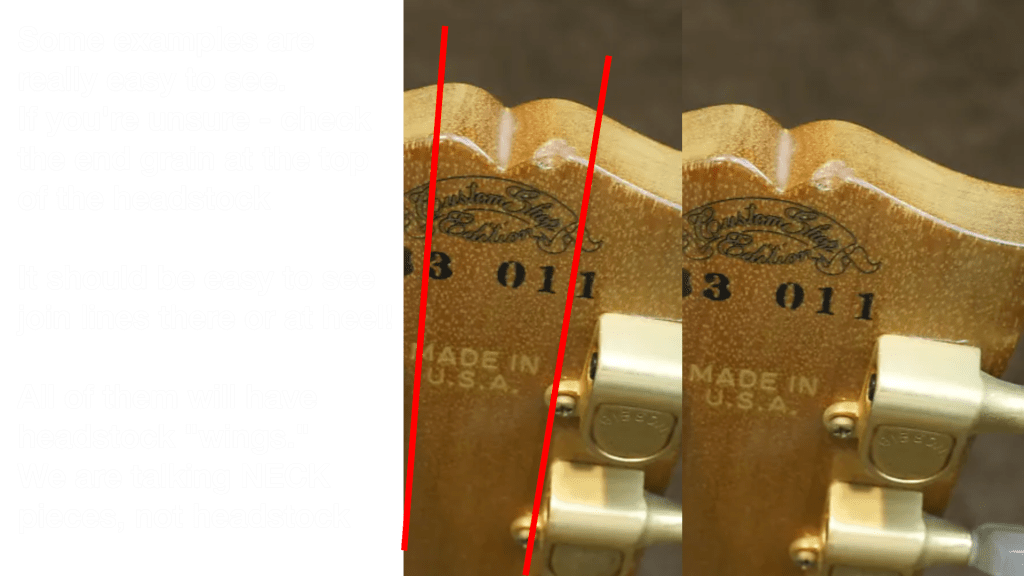
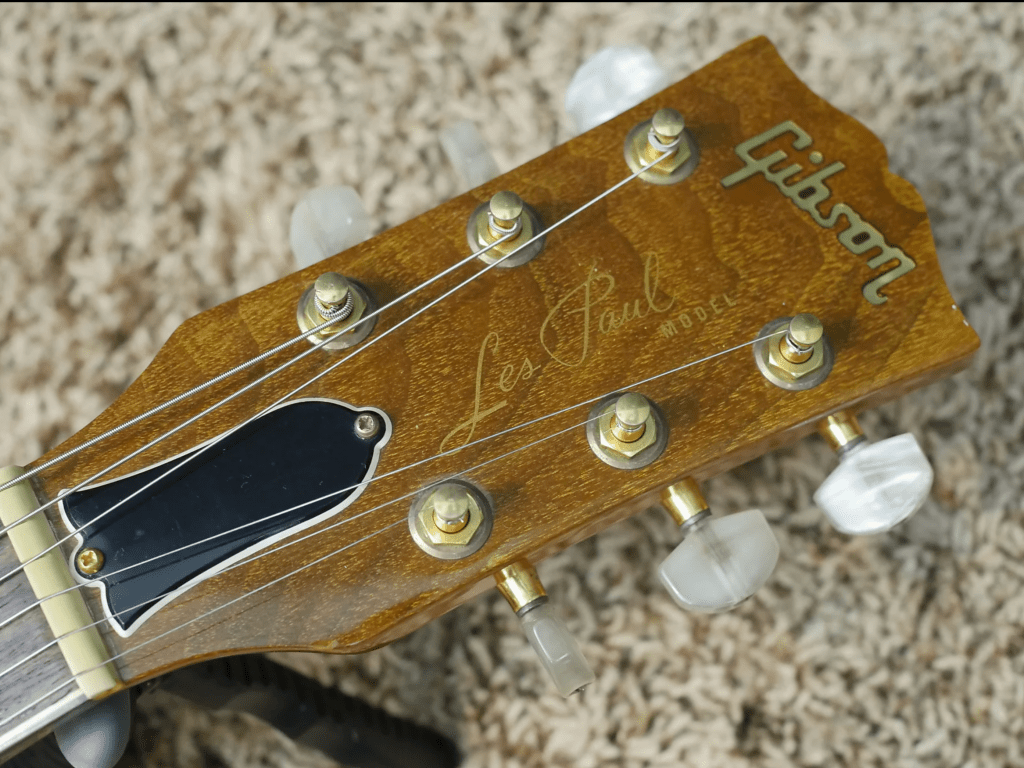
Their headstock veneer is a natural wooden color which is quite unique for any Les Paul! It is important to note that they still have a veneer though – otherwise we would see the headstock wings from the face!
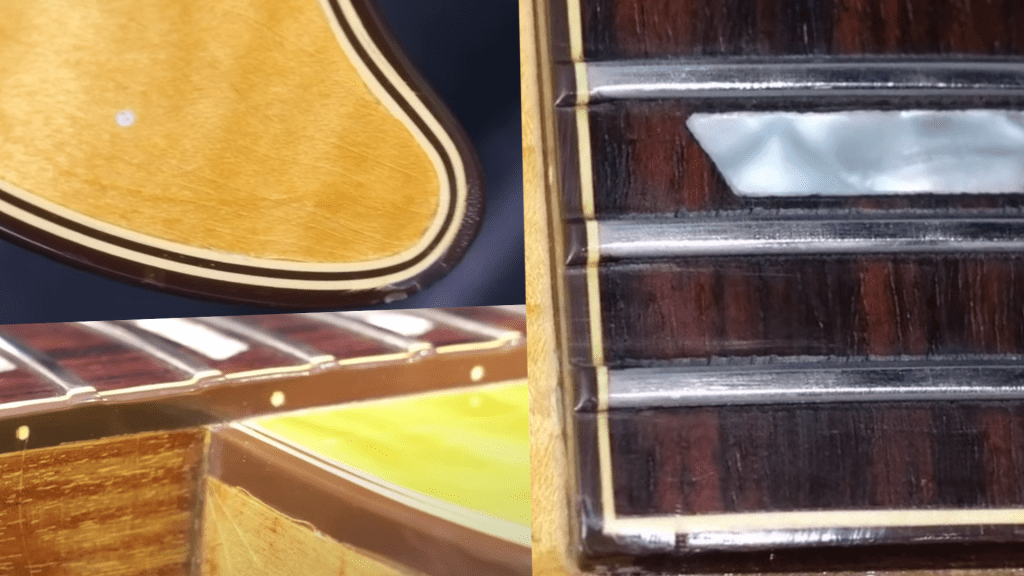
The ANT Spotlight Special features dominate BROWN binding. The body has 4-ply Brown/cream/brown/cream binding and the neck has 2-ply binding Brown/Cream. Not only do most Les Paul not have brown binding, but it is unusual for a STANDARD to have a double bound neck and especially a 4-ply bound body! A regular Les Paul Standard only features single-ply cream on both the body and neck. Due to Gibson’s unique “binding over the fret” application, that grants us MULTI-COLORED fret nibs which is a seriously cool feature! Refretted ANT examples sadly loose this distinctive appointment 😦
Next up are the tuners! We get sweet pearloid tips on the DELUXE Schaller M6 style tuners. The ASBs would feature No-Line, Double Ring Klusons or on rare occasion, a Gibson branded variant. The M6 tuners have stood the test of time… unfortunately, the Klusons didn’t so it is common to see them get replaced.
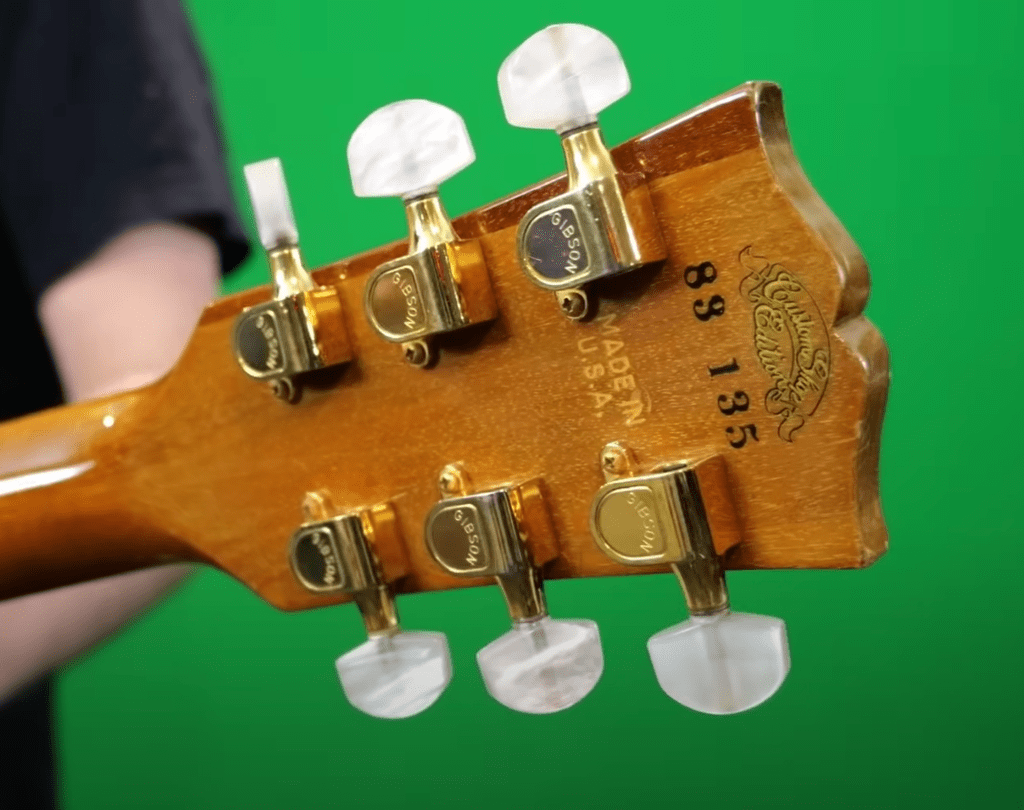
It is for these reasons that the ANT Gibson Spotlight Specials tend to sell for more than ASB Antique Sunburst Gibson Spotlight Specials.
It is important to note, there were also a few ASB Spotlights crafted with ANT Appointments (brown binding, etc)
SERIAL NUMBERS
How do you read a Gibson Serial number? Well, since late-1977 it has been the YDDDYPPP system with Y= Year, D= Day and P = Production number | 500 or higher Nashville Production, 499 or Less Kalamazoo Built.)
In 2005, Gibson added a “batch” number in there – YDDDYBPPP
For example 80123544 would read – 012th day of 1983, Nashville Made, Production number 544 (45th neck stamped that day – there is a “500” number as production #0)
ALL PRODUCTION SPOTLIGHTS WERE NASHVILLE, TN USA BUILT
You’re going to notice that they don’t follow the usual serial format though…
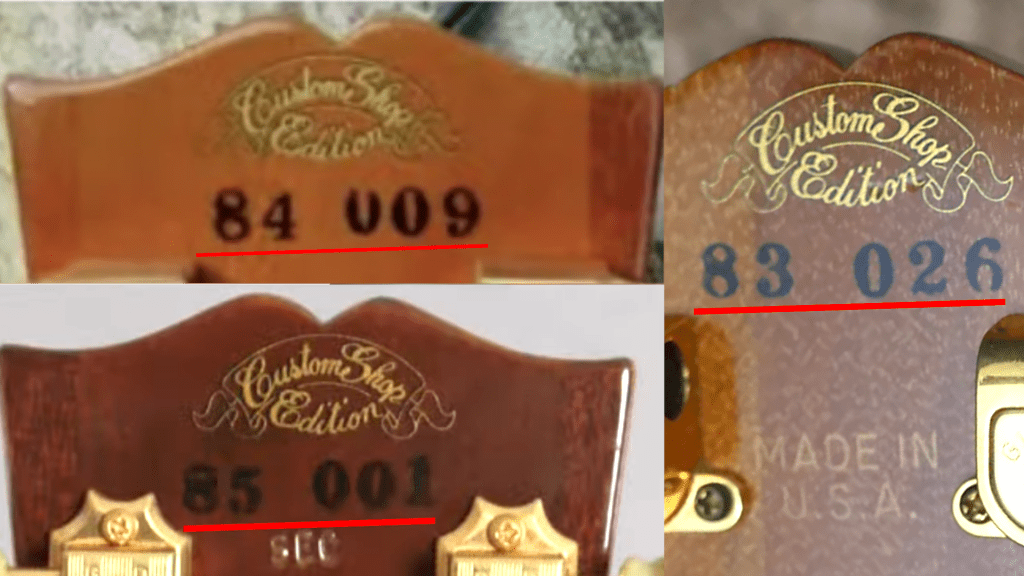
83 XXX
This is the format most spotlights will have done as an ink stamp.
83 standing for 1983. XXX showing you the production number.
As mentioned earlier, there were at least a few dozen spotlights made outside of 83 so having an 84 XXX or 85 XXX serial is not foreign.
These also feature a “Custom Shop Edition” decal right above the headstock.
What Case is Correct For My Guitar?
The Gibson Spotlight Special was produced in the early 80s so there are two MAIN cases that you will find.
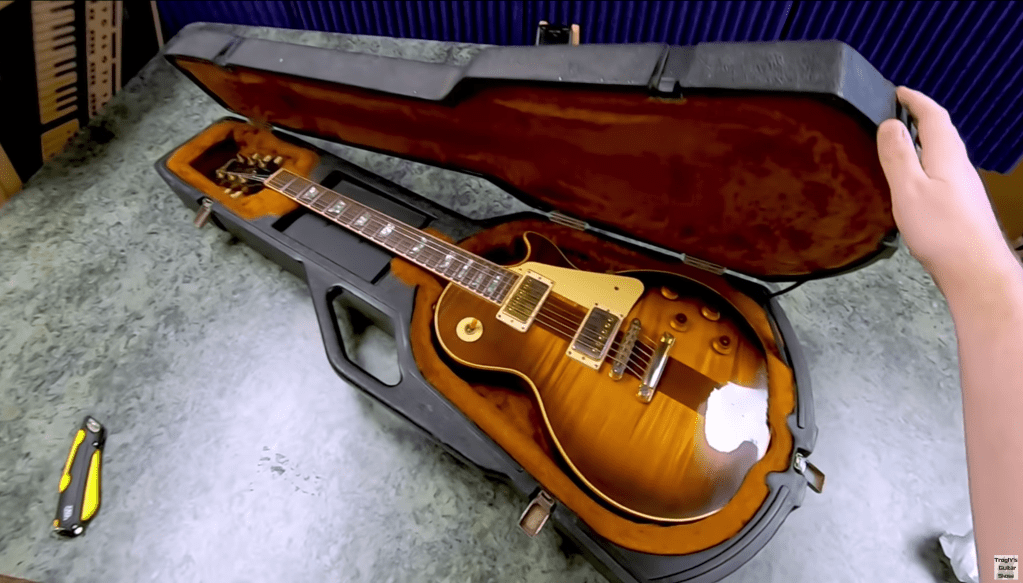
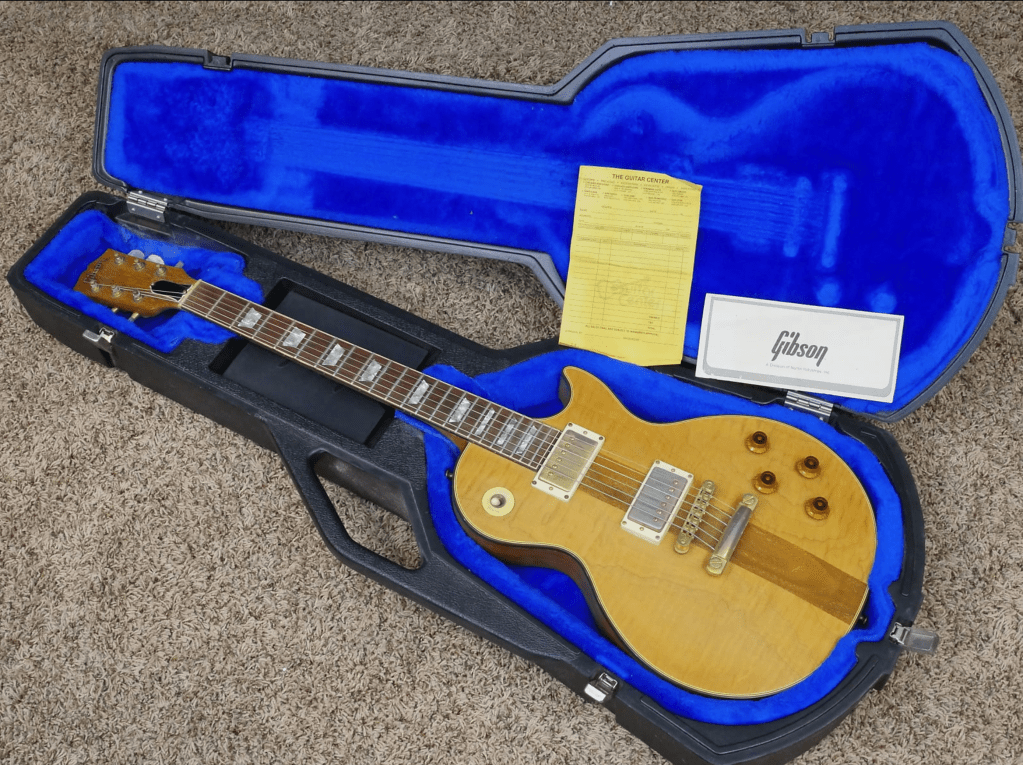
Generation 3 Chainsaw Case
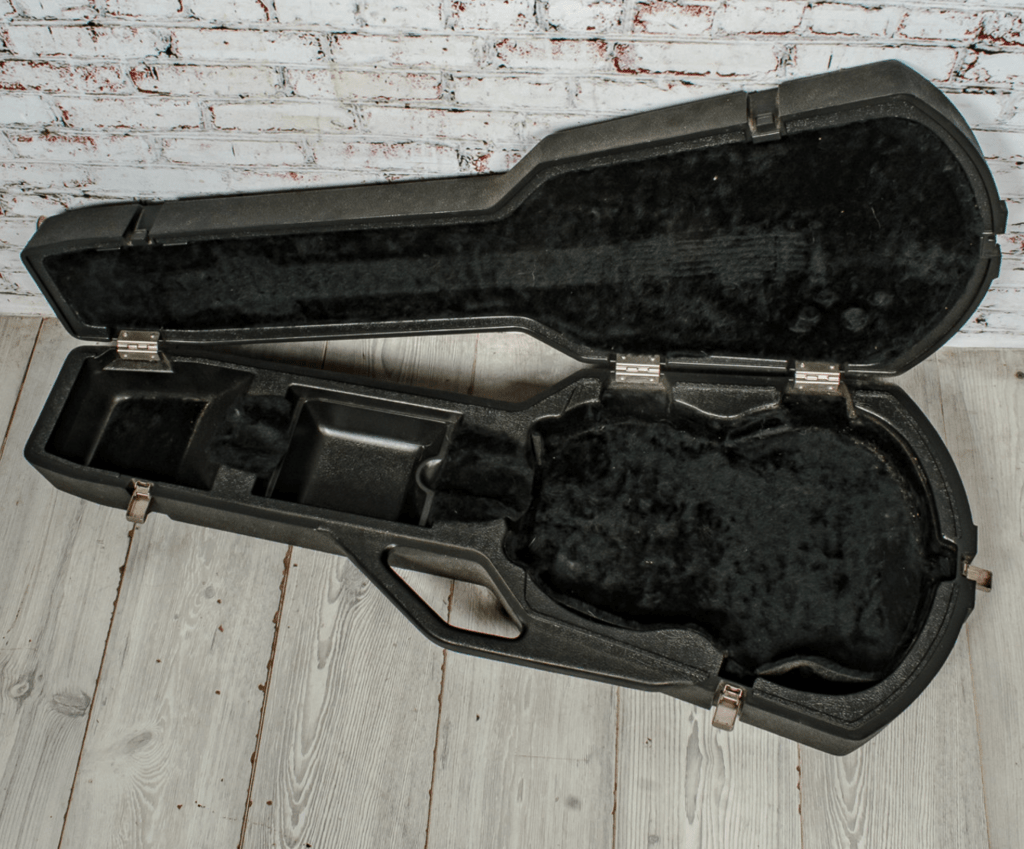
This is a rather large and bulky case that most spotlights came home in. It is the molded plastic version of the case where the first two generations were made of Azdel, much thinner and utilized plastic latches. Generation 3, while larger, at least upgraded to metal latches and offered more interiors than “red. “
Generation 3 Chainsaw cases were available in Blue and Brown interiors. Both are considered correct for your spotlight and they are usually quite plush! Generation 4 introduces BLACK… but strips all the padding out of the case. If your spotlight has a Gen 1/2/4, it is most likely a replacement. There should be a GIBSON badge on the outside of the case but since they were glued on, some have been lost.
Lifton Reissue Style
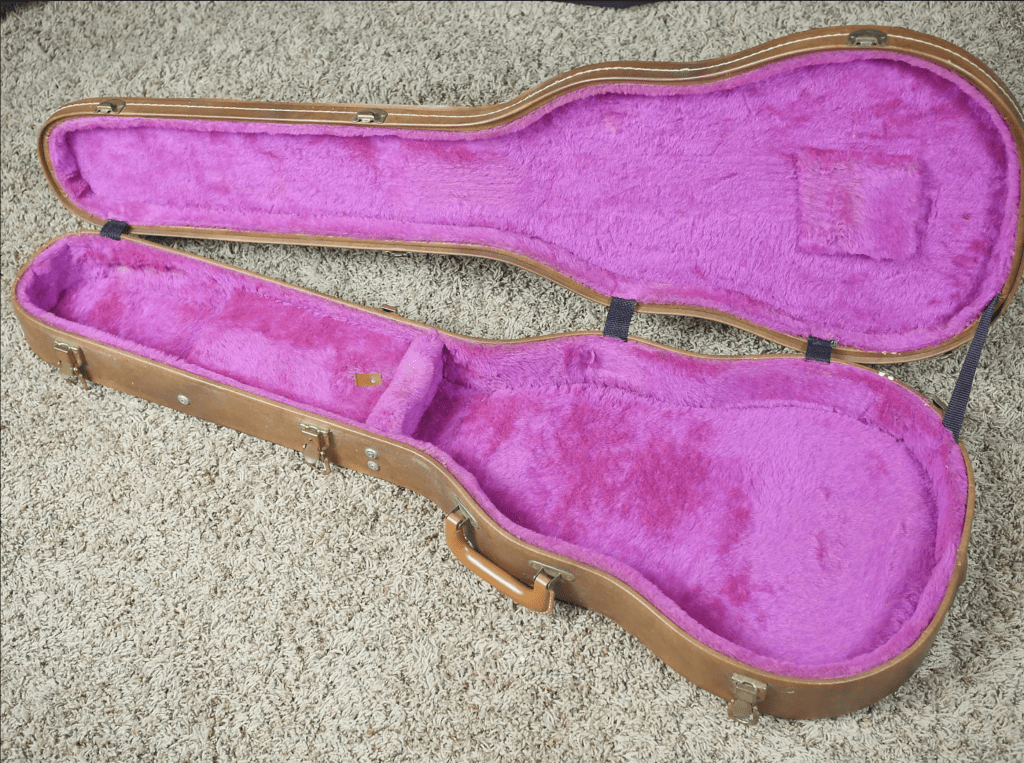
You don’t find this version as often, but it is the “premium” original case for one of these. Gibson is stenciled on the outside and it has a brown exterior with a pink interior. These are stylized after the cases that Gibson used on the burst in the 1950s. 1983 was the year Gibson launched the “Les Paul Reissue” that we refer to today as the “Prehistorics.”
Are Spotlights prehistoric reissues? No. They don’t have the ABR-1 bridge. They are incredibly special though so that’s why it isn’t uncommon to find exceptionally nice examples going home in this case. The handles are VERY prone to falling off and needing to be replaced though…


Who Built All of These?
This is a bit of a loaded question as there were many hands involved in creating these. However, if you look inside the back control cavity of your early 80s Gibson guitar where the pots are, you might see one of two signatures (or both!) hiding along the rim
———-RFL———-
———–FL———–
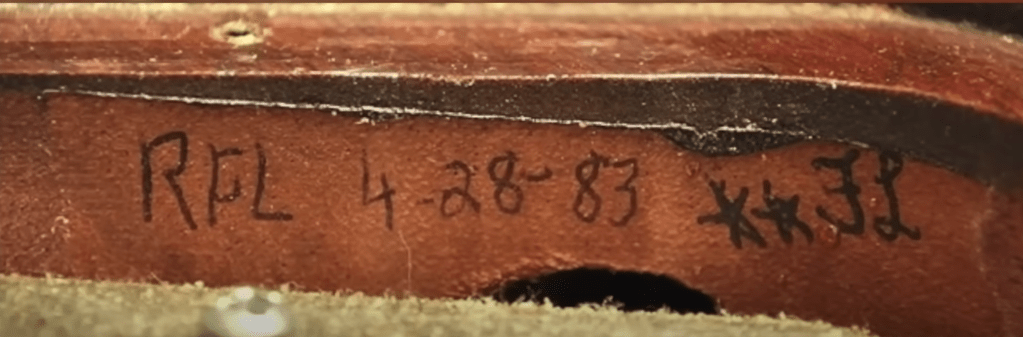
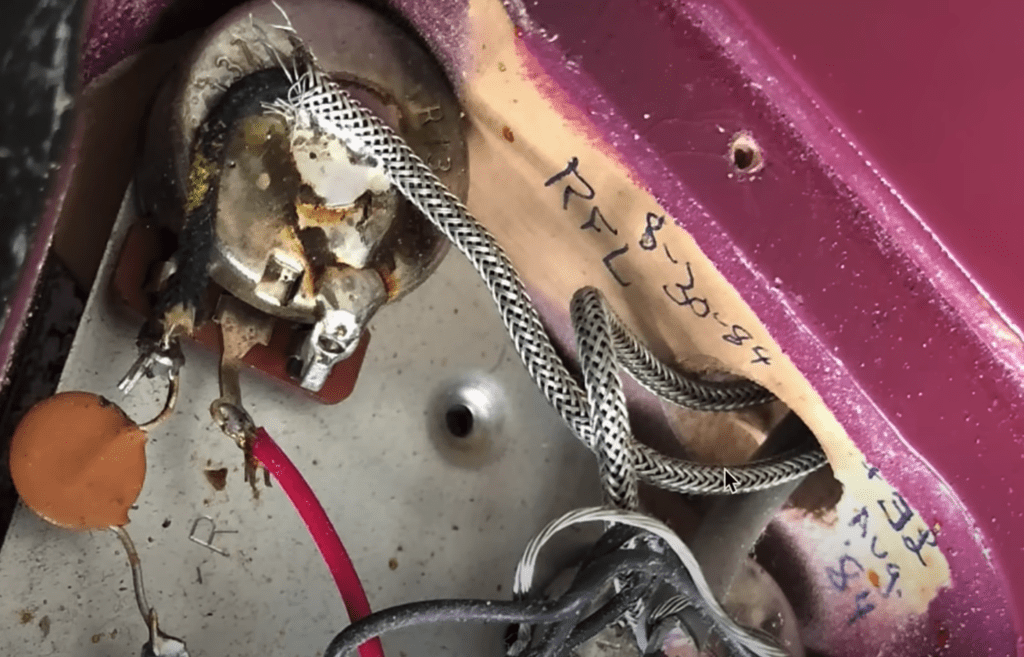
These are the initials of a Father/Son Duo at Gibson. RFL is the initials of Randy Floyd Leonard. It is thanks to him and his contributions to the collecting community that many “lost” history tidbits get recovered and his impeccable book keeping in his build log have documented some great guitars along the way. At the time of writing – he is still very active online and likes helping people with their guitars that he built. He started with Gibson in the late 70s and built many of the spotlights.

FL, also sometimes misread as JL due to it being in fancy script writing , was Randy’s father. He worked in the Sound Check booth. If you have his initials in there – it sounded GREAT! If it looked fantastic, you’ll have a secret code ranging from FL+, FL+++, FL*. Occasionally he signed the bottom shielding plate too.
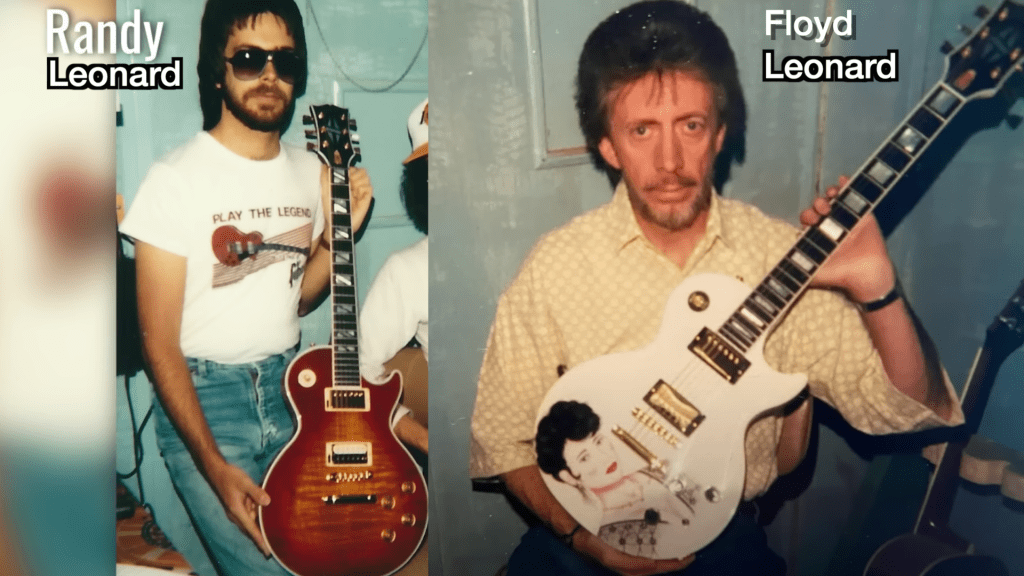
It is important to note that just because your guitar doesn’t have one of their initials… doesn’t mean they didn’t work on your guitar. Only the cream of the crop got “signed.” Randy was just one guy though… he didn’t build all of them! If you look inside the truss rod cavity route in a late 70s Les Paul, you might find the initials of the 2nd brother that worked at Gibson for a shorter period of time – RICKY Leonard (RL.) The initials in this location indicate who filed the frets! Only two of the Leonard Bros worked at Gibson – Floyd had 5 sons.

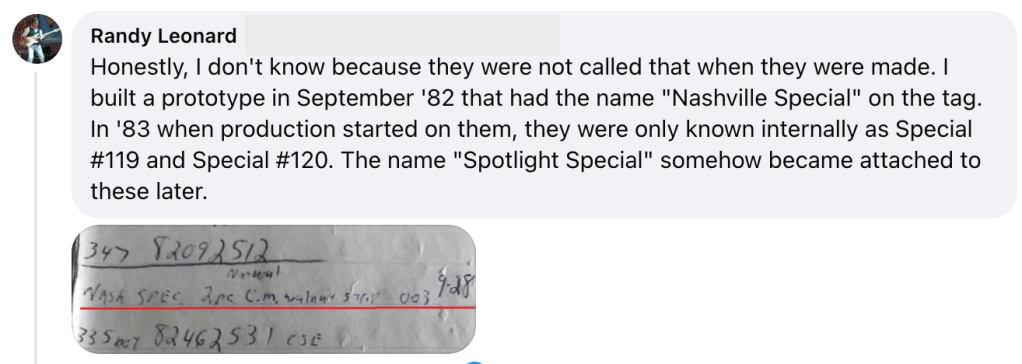
According to Randy, he built the prototype in September ’82 that had the name “Nashville Special” on the tag. In 1983 when production started on them, they were only known internally as Special #119 and Special #120. The name “Spotlight Special” somehow became attached to these later.
Why Were They Built?
According to Randy Leonard, Gibson had a stock of left over tops from the Heritage 80 Series that were just too short to cover a full Les Paul. Rather than junk them, leftover walnut strips from “The Paul” series were used to fill the gap and the rest is history! Walnut started to become VERY expensive around this time so once the walnut was used up, that is when the mahogany stripes and Mahogany Firebrand The Pauls came into play. These might look like a neck through construction Les Paul, but they are not. Rumors of Spotlight Specials being left-over 1950s Tops from Kalamazoo are just not true.
CUSTOM SHOP EDITION – CSE
All Gibson Spotlight Specials from the initial run featured “Custom Shop Edition” decals on the back of the headstock right above the serial number. It is important to note that this just means it was a limited run of guitars. A formal custom shop as we think of it today did not exist until October 1993 when the Gibson Custom Shop Historic & Art Division opened. While these Custom Shop Edition guitars might’ve got slightly more specialized treatment, they were made on the same line as all the other guitars. Advertising your Spotlight Special as a “Gibson Custom Shop” is technically inaccurate unless you’re talking about the 2000s Reissue. Fun fact – there is also a “Custom Shop Original” Decal. This signifies a true one-off! Seen way less often than “Custom Shop Edition. ” These decals were used from late 1982 until late 1993.

The 2007/2008 “Reissue” Les Paul Spotlight Flame
Starting in 2006, Gibson developed a prototype for a Spotlight Special Revival. It was later given as a gift/bribe in 2009 (along with a job promotion) in an effort to keep a key person at Gibson, Billy Hall. He then sold it off to someone who further modified it’s pickups and hardware.
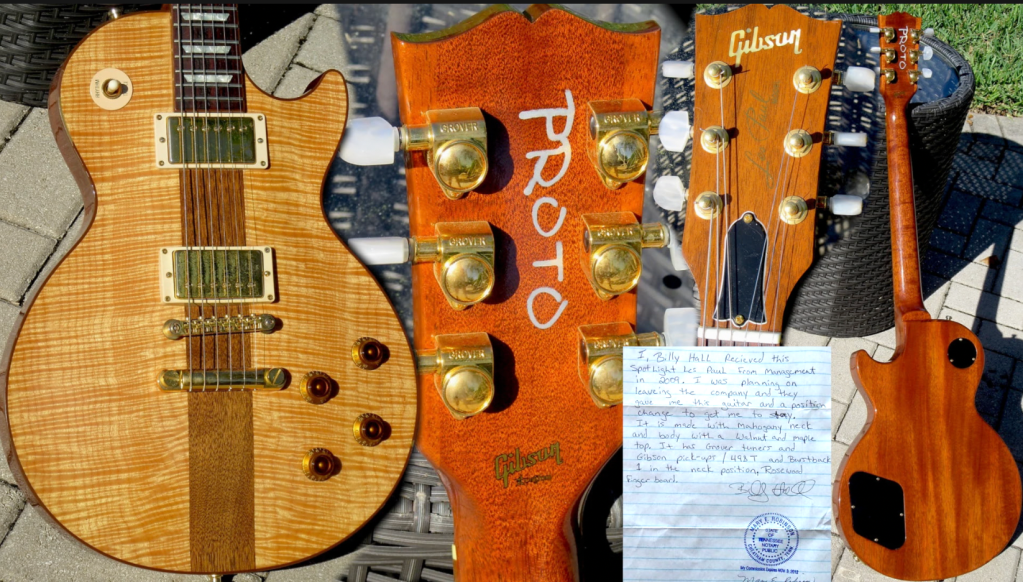
This prototype did indeed successfully birth a new run of “Spotlights.” It is rumored about ~50 of these Custom Shop guitar were created.
Somewhere between the first prototype and production, Gibson decided to increase the center stripe width from 2″ to 3″ giving these a very different look.
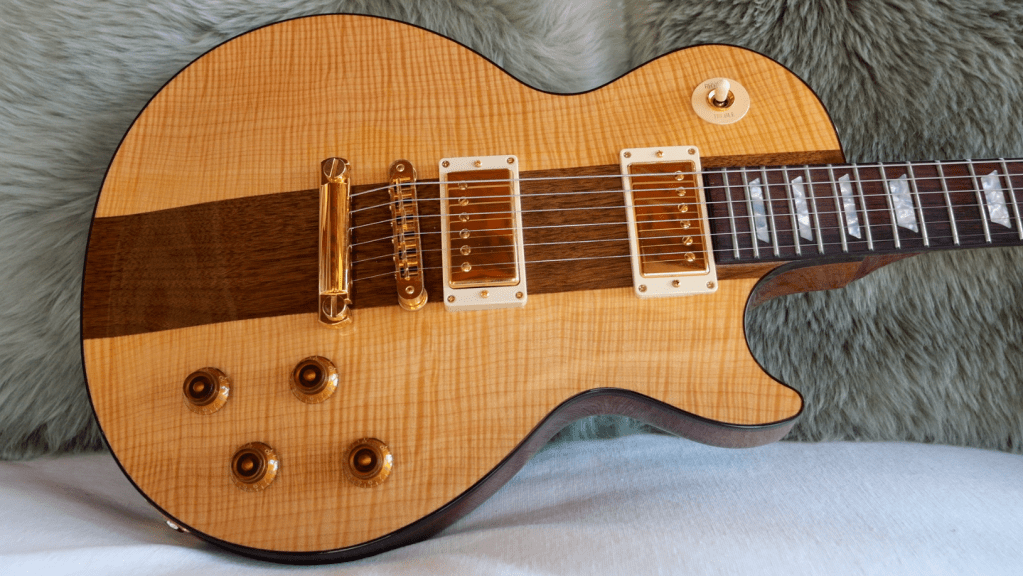
Different good… or different bad… most spotlight enthusiasts aren’t as crazy about these. It really depends “which” one you see first
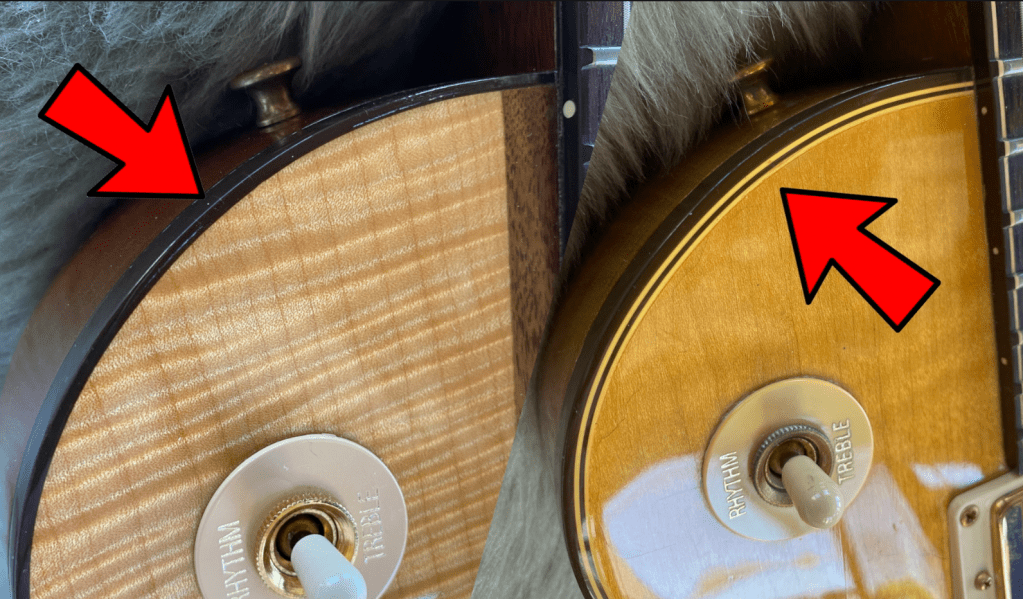
This run took some creative (or cost saving) liberties with the brown binding. The body is single-ply brown instead of 4-ply brown/cream.
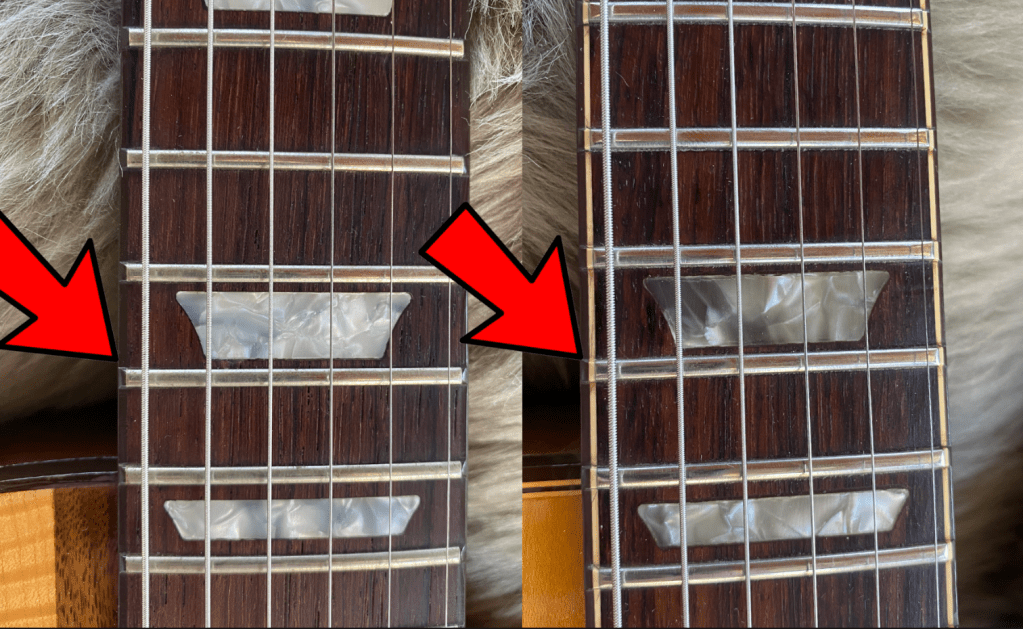
The neck is also similarly done – removing the cream inside layer.
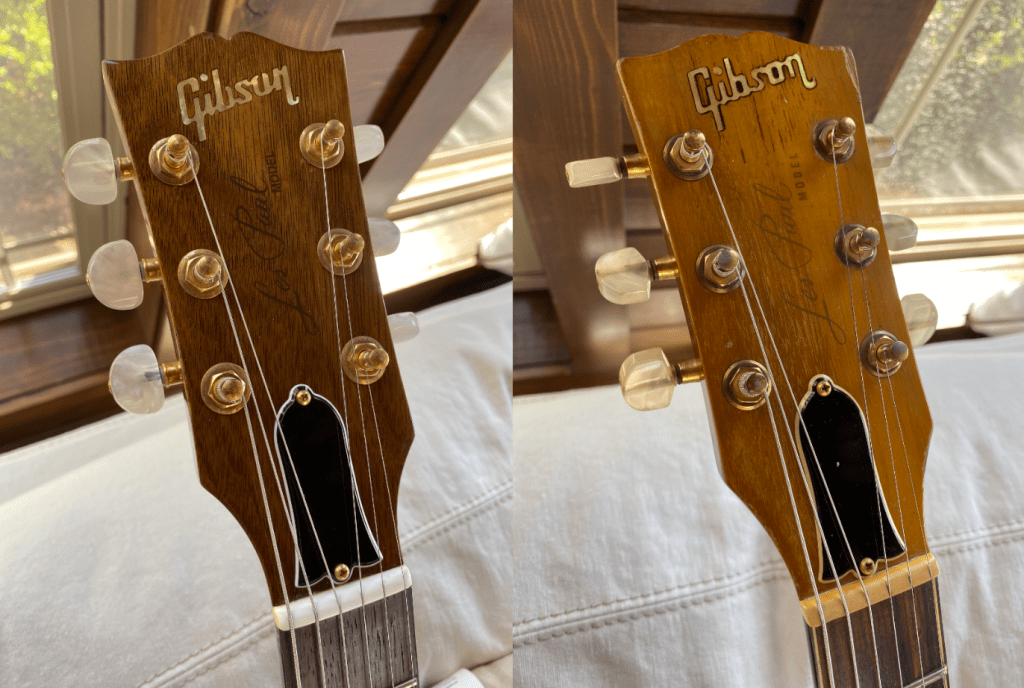
The headstock has a walnut veneer which gives them a generally darker appearance, especially since Gibson didn’t use the yellow grain fill like they did on the original run. Some mild headstock reshaping and logo changes happened as well. The Grover tuners have pearloid tips to mimic the original pearloid tipped Schallers.
These also have a regular CS7xxxx or CS8xxxx Serial number with Gibson Custom decal at the bottom of the neck. No Made in USA Stamping. As we learned earlier – despite the originals saying “Custom Shop Edition” – only the 2000s Run of Spotlights were actually made at the Gibson Custom Shop.

It is common to find a FIGURED Mahogany neck on these too! The neck profile is quite chunky and made from one piece of mahogany which blends both of the original’s specs together (3-piece Chunky vs 1-piece Thin.)
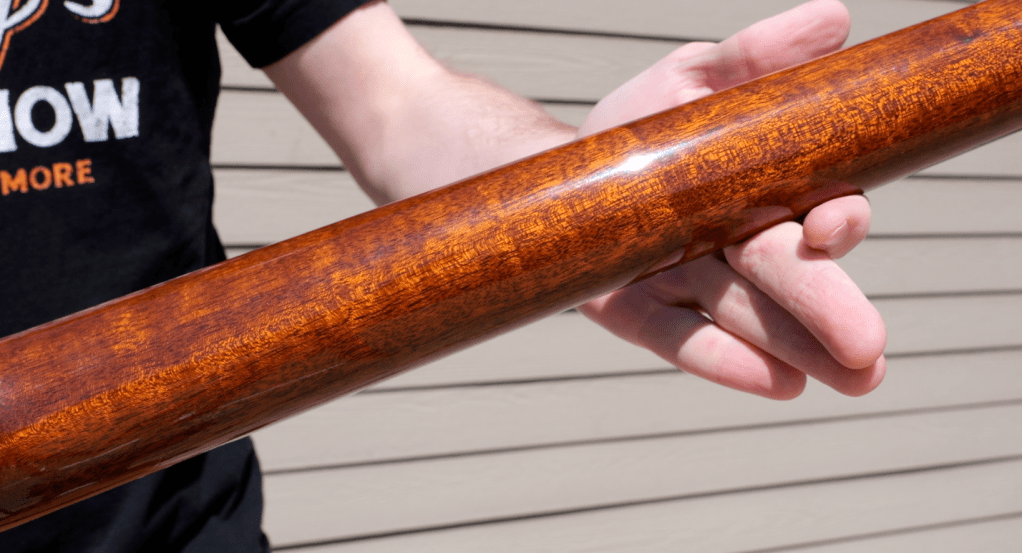
Gibson clearly used premium lumber on this run of guitars. The example I documented was EXTREMELY HEAVY. The body was approximately .1″ thicker than an original spotlight around the edges, but the same 2.4″ in the middle.
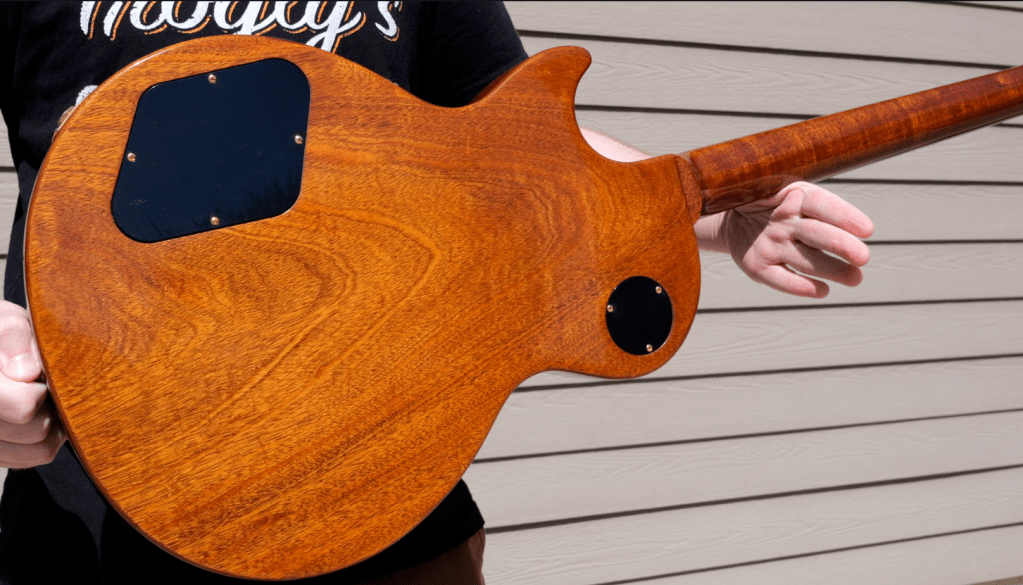
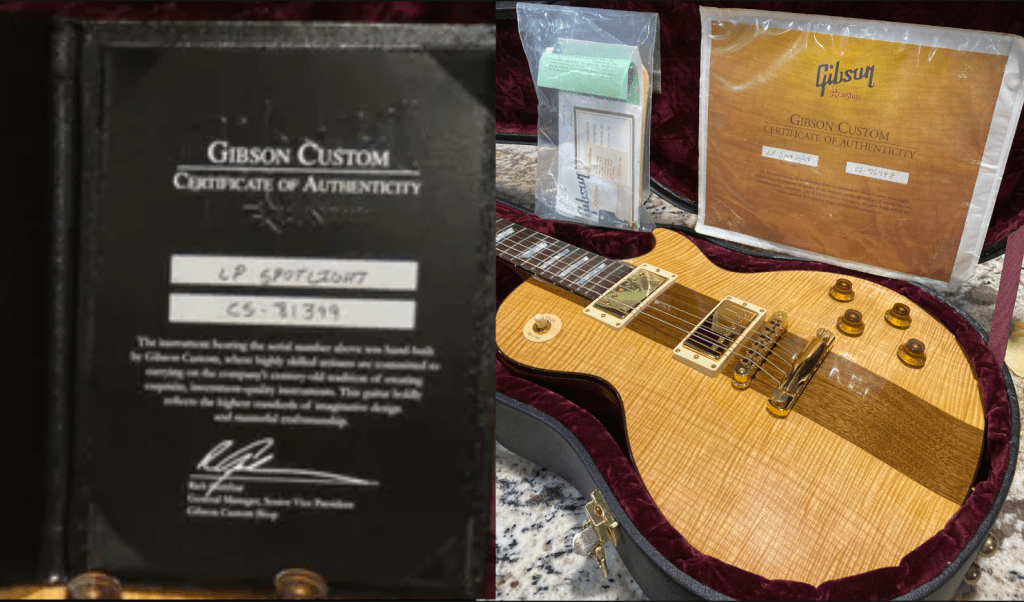
Depending on the year your Custom Shop Spotlight was made will determine if you have the “old style” large paper COA, or the newer smaller booklet. If your spotlight doesn’t have a COA – it was likely lost and of the paper variety since they don’t neatly fit in the case. They were officially labeled as “LP Spotlight”
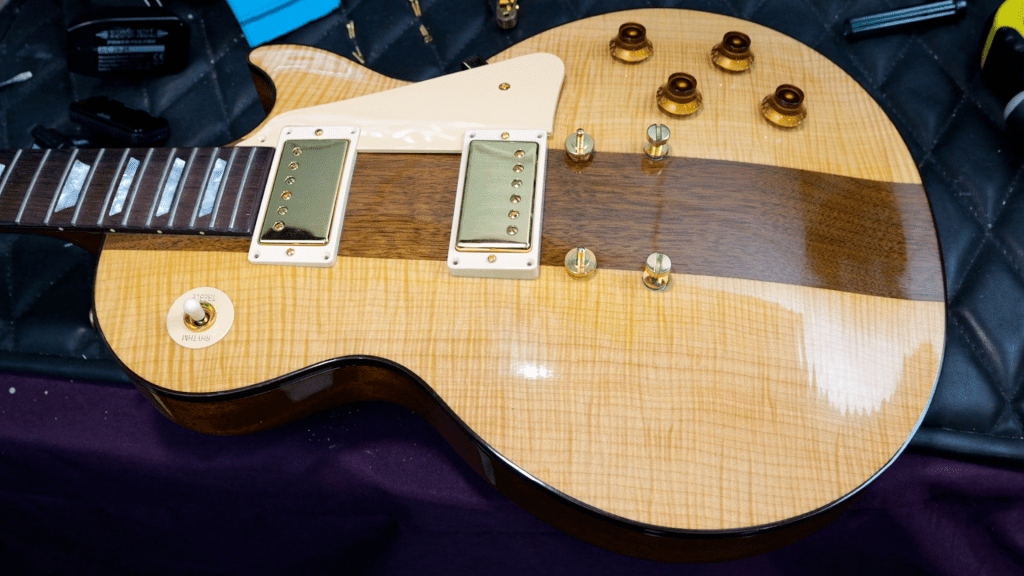
More research needs to be done on what pickups these came with. The prototype originally shipped with a Burstbucker 1 in the neck and a 498T pickup in the bridge. The production example I documented had two Burstbucker RHYTHM PRO pickups. Just like the originals, this run also has a nashville style bridge with short neck tenon.

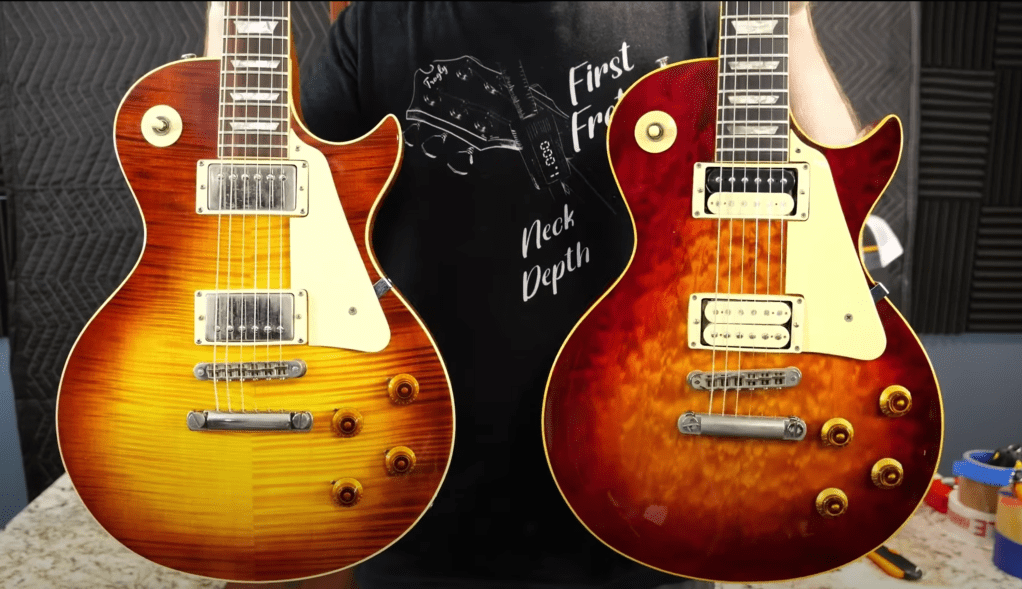
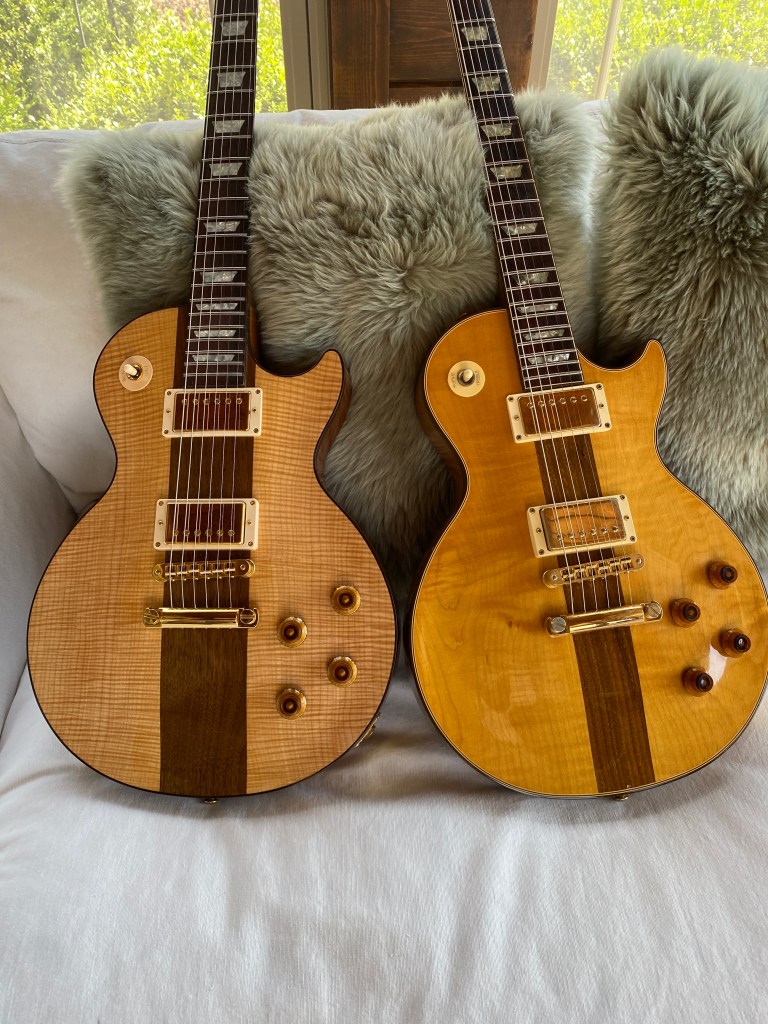
Here is a “Reissue” next to vintage originals (equipped with and without pickguards)

Speaking of pickguards, the Custom Shop version shipped with one in the case if you wanted to install it.
HOW MUCH IS MY GIBSON SPOTLIGHT SPECIAL WORTH?
At the time of writing in 2025 – Spotlight specials tend to range from $4,000-$8,000 USD depending on originality, condition, color and figuring. People asking more than this tend to sit on them for quite awhile. $5000-$6500 USD is most common and it takes an especially figured and clean one to break the $7k barrier. The Reissues tend to sell at auction in the 4-7k range (despite what people ask online.)
The nice ones sell quick – the average ones linger if priced too high. If you’re looking to sell or need help evaluating where yours should fall, you can contact me. I am always buying fair priced spotlights in ANY condition. I’m “The Spotlight Guy” after all! As of 2023, I no longer sell spotlights, only buy.
 The 1983 1984 Gibson Les Paul Spotlight Special Archive